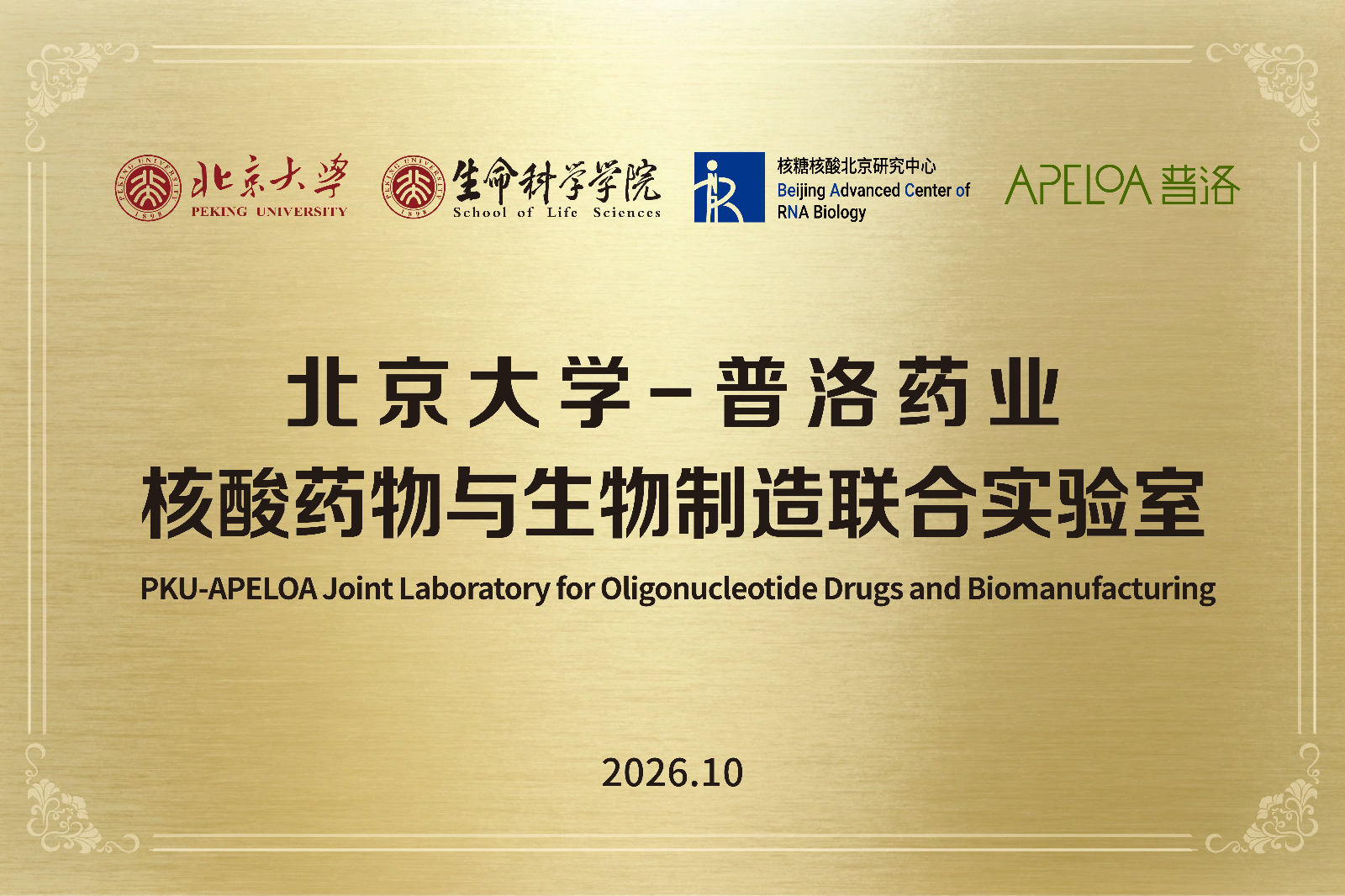
Beijing, China — Peking University and Apeloa Pharmaceutical Co., Ltd. have signed an agreement to establish the "Peking University–Apeloa Joint Laboratory for Nucleic Acid Drugs and Biomanufacturing." The signing and unveiling ceremony was held on the morning of October 21 at Yingjie Exchange Center, Peking University.
The joint laboratory will bring together the university's strengths in fundamental research with Apeloa's industrial-scale capabilities, focusing on collaborative R&D in chemical and biological synthesis of small nucleic acid drug substances. The partnership is designed to provide technical support for Apeloa's CDMO business expansion into nucleic acid drugs and biomanufacturing.
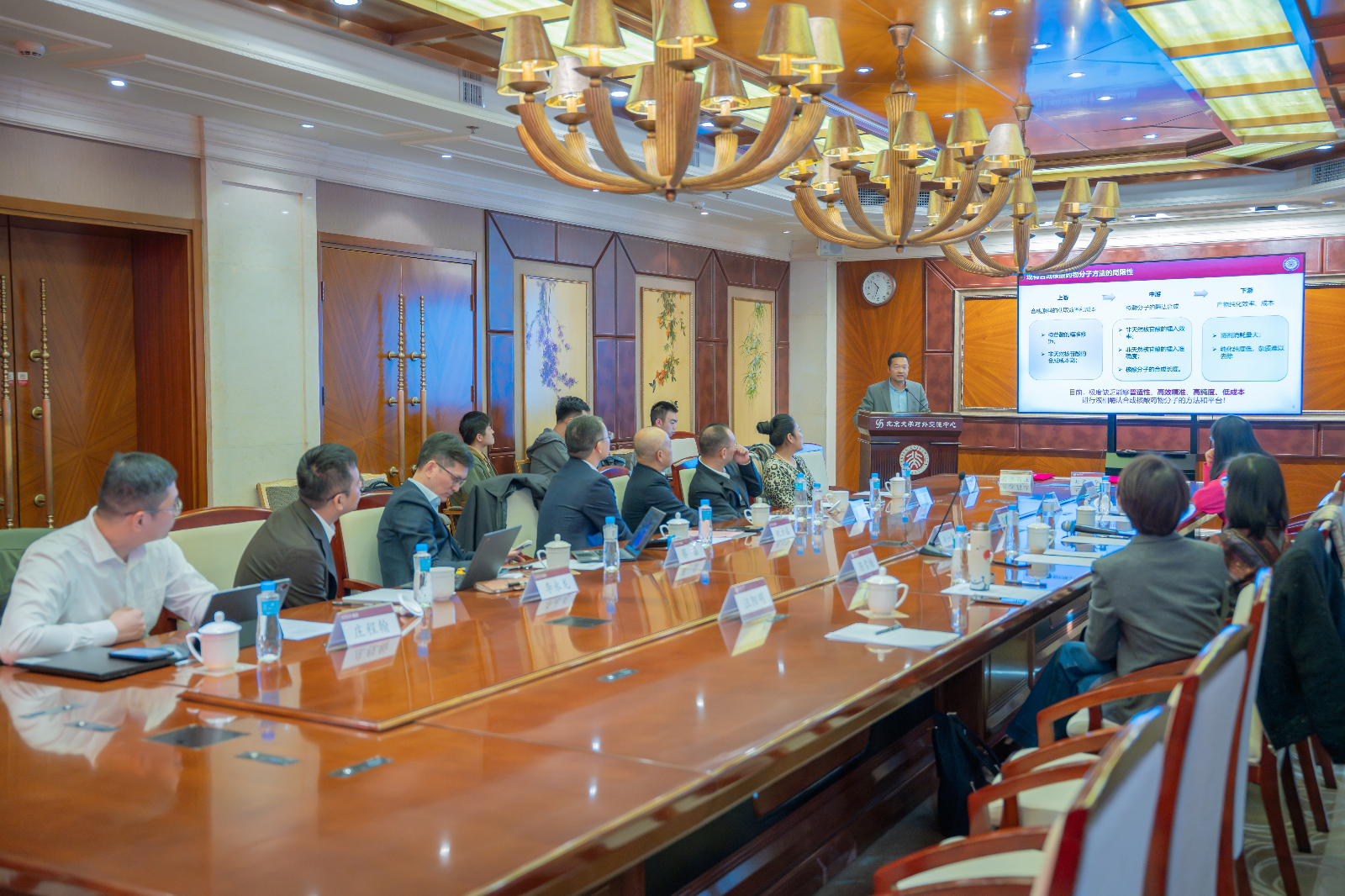
The ceremony was attended by senior representatives from both institutions, including Weihao Yao, Director of Peking University’s Office of Science and Technology Development; Ruqing Zheng, Deputy Director of the same office; Xuemei Chen, Dean of the School of Life Sciences; Jitao Chen, Associate Dean of the College of Chemistry and Molecular Engineering; Xiaoguang Lei, Professor at the College of Chemistry and Molecular Engineering; Yangming Wang, Professor at the College of Future Technology; and Brian Zhu, Assistant President of Hengdian Group and Chairman of Apeloa Pharmaceutical, along with Apeloa’s executive team. Professor Xiaoguang Lei presided over the ceremony.
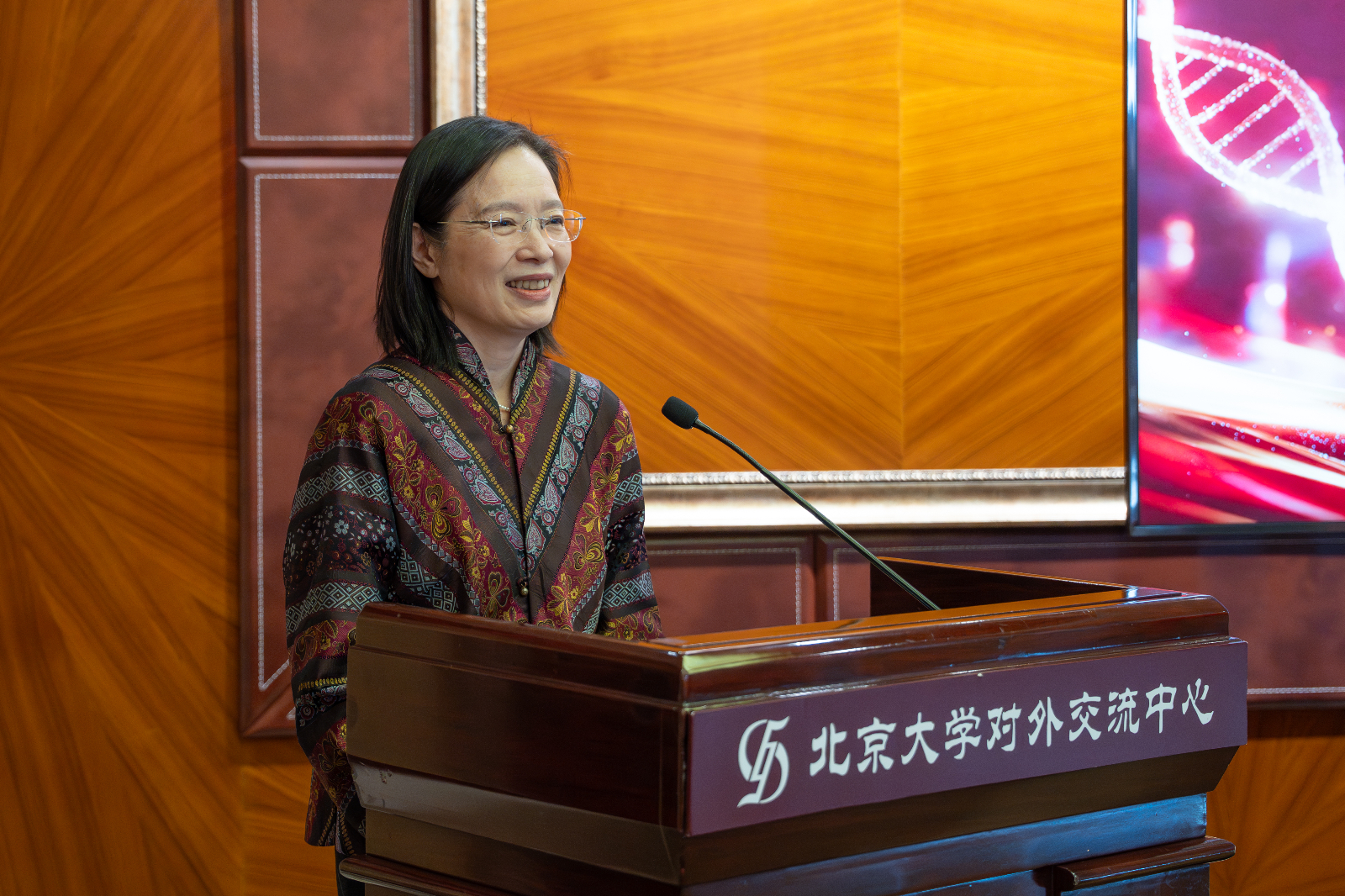
Ruqing Zheng, Deputy Director of the same office, Peking University
Speaking at the ceremony, Ruqing Zheng noted that Peking University has long placed strong emphasis on fundamental research and technological innovation, leveraging its multidisciplinary strengths to integrate scientific advances with industrial applications. "Nucleic acid drugs and biomanufacturing hold tremendous promise. This joint laboratory represents a natural alignment between academic research excellence and industrial capability. We hope both sides will tackle key scientific questions and core technologies together, creating innovative outcomes with independent intellectual property and real application potential," Zheng said, adding that the university will continue to provide full support to ensure the partnership delivers tangible results.
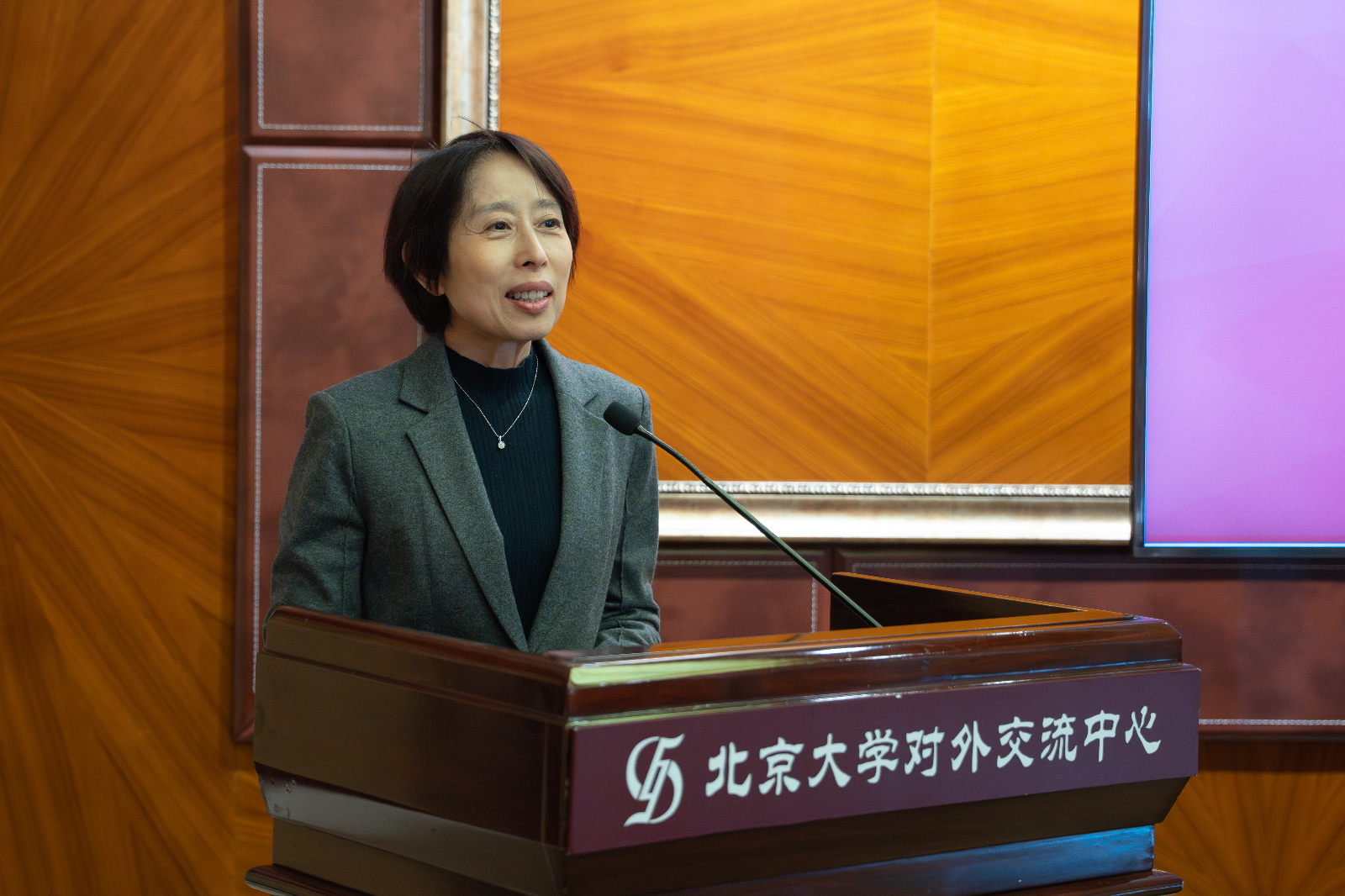
Xuemei Chen, Dean of the School of Life Sciences, Peking University
Dean Xuemei Chen highlighted the foundation laid by Peking University's RNA Research Center, which has built expertise in RNA modification, editing, delivery, and small-molecule targeting of RNA. "This is the RNA Center's first joint laboratory with an industry partner. Together, we will explore how fundamental innovations in chemistry and RNA can find a genuine path to industrial application."
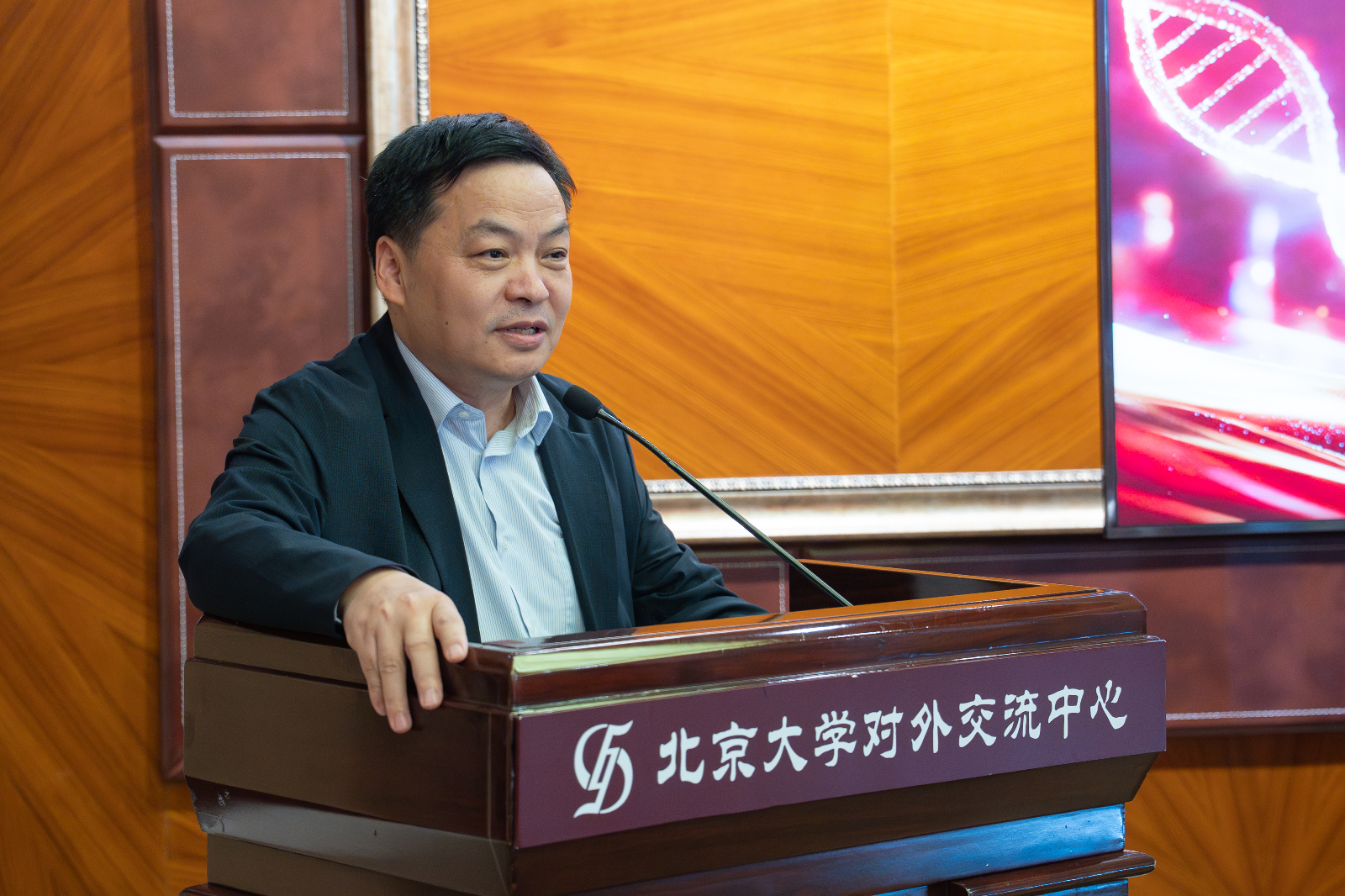
Jitao Chen, Associate Dean of the College of Chemistry and Molecular Engineering, Peking University
Jitao Chen noted that research teams at the College of Chemistry have long pursued cutting-edge work in pharmaceutical synthesis while actively advancing technology transfer. "This laboratory provides a platform where frontier research can connect directly with industrialization capabilities, helping more oligonucleotide-based therapeutics reach the clinic and the market."
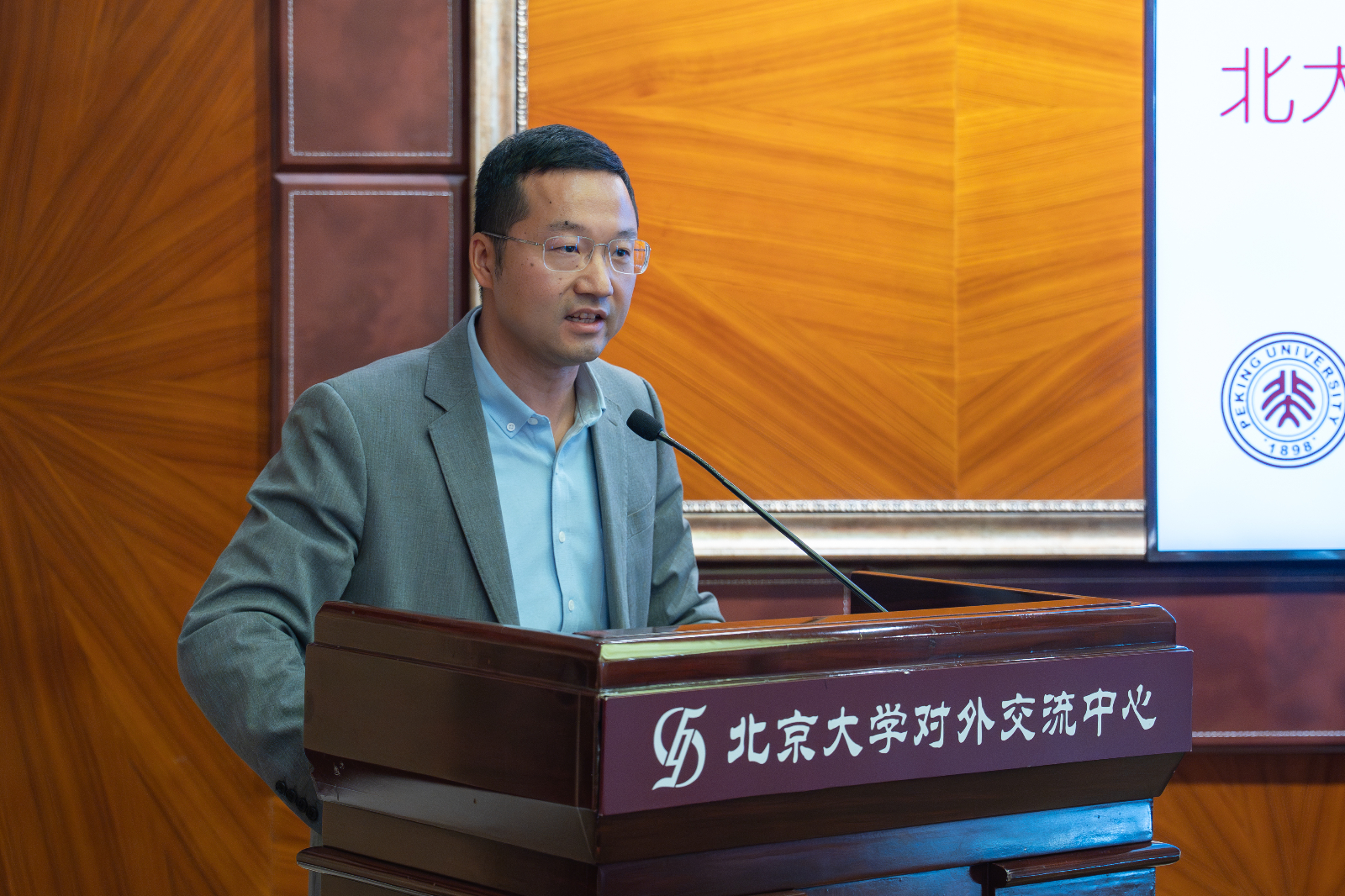
Xiaoguang Lei, Professor at the College of Chemistry and Molecular Engineering, Peking University
Professor Xiaoguang Lei, who introduced the background and priorities of the laboratory, said the initiative will combine Peking University's research foundations with Apeloa's manufacturing expertise to accelerate key technology breakthroughs and commercialization.
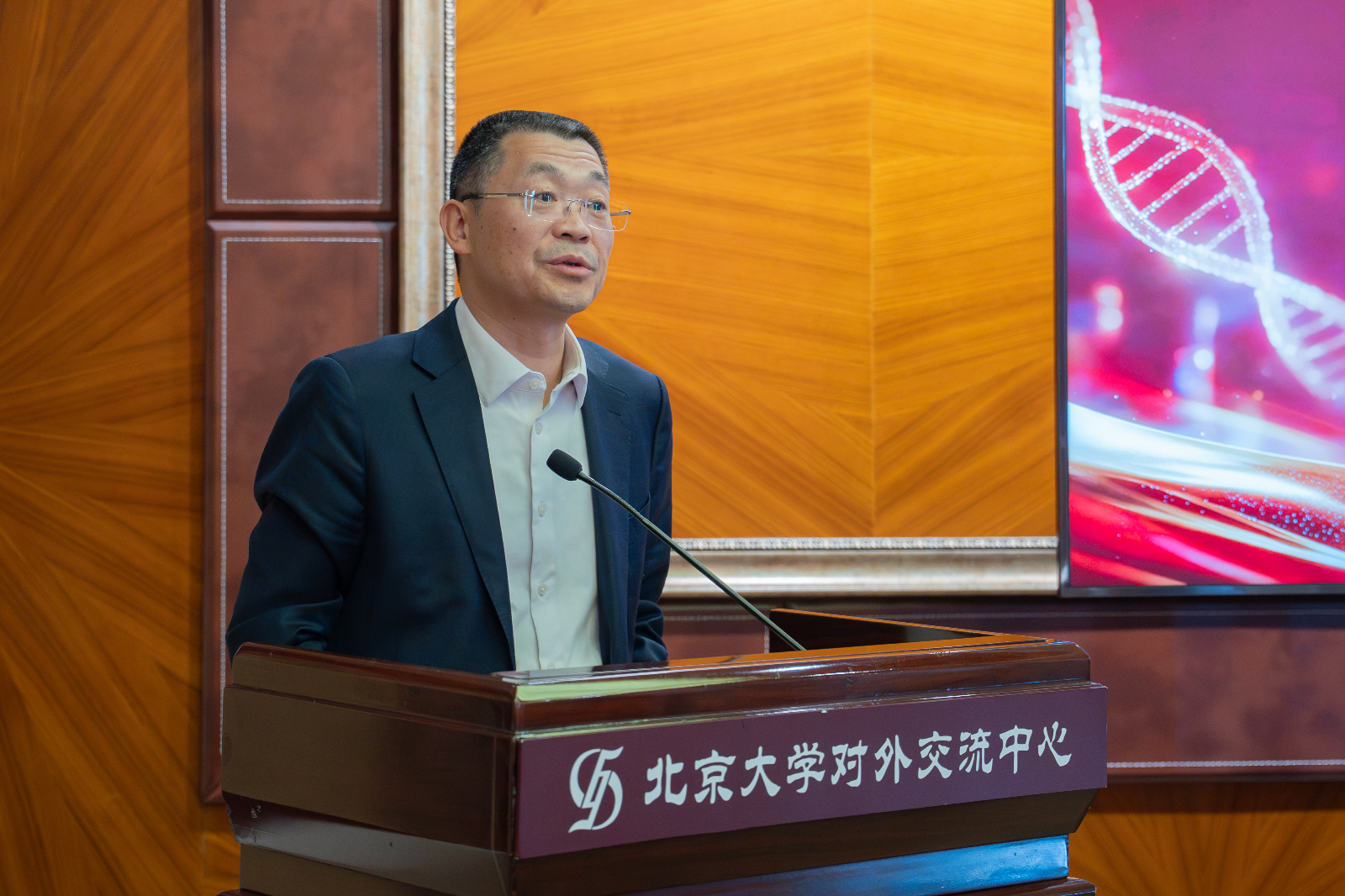
Brian Zhu, Assistant President of Hengdian Group and Chairman of Apeloa Pharmaceutical
Chairman Brian Zhu emphasized Apeloa's three decades of experience in the pharmaceutical industry, noting that the company has grown into a listed, integrated pharmaceutical enterprise spanning CDMO services, active pharmaceutical ingredients (APIs), intermediates, and finished formulations, while actively investing in frontier areas such as nucleic acid drugs, synthetic biology, and continuous-flow chemistry.
"Breakthroughs in frontier technologies are built on the foundation of basic research. Partnering with Peking University is a deep convergence of original academic innovation with industrial translation—and a meaningful step toward fostering new quality productive forces," Brian said. "We hope both sides will make this partnership substantive and lasting, achieving real progress in technology development, commercialization, and talent cultivation—providing long-term support for Apeloa's CDMO expansion in nucleic acid drugs and biomanufacturing."
Under the agreement, the laboratory will be directed by Xiaoguang Lei, Professor at the College of Chemistry and Molecular Engineering, with Xuemei Chen, Dean of the School of Life Sciences, and Dr. Chenghan Zhuang of Apeloa Pharmaceutical serving as deputy directors. Operating on a project-based model, the laboratory will focus on chemical and biological synthesis of drug substances, with a primary emphasis on small nucleic acids.
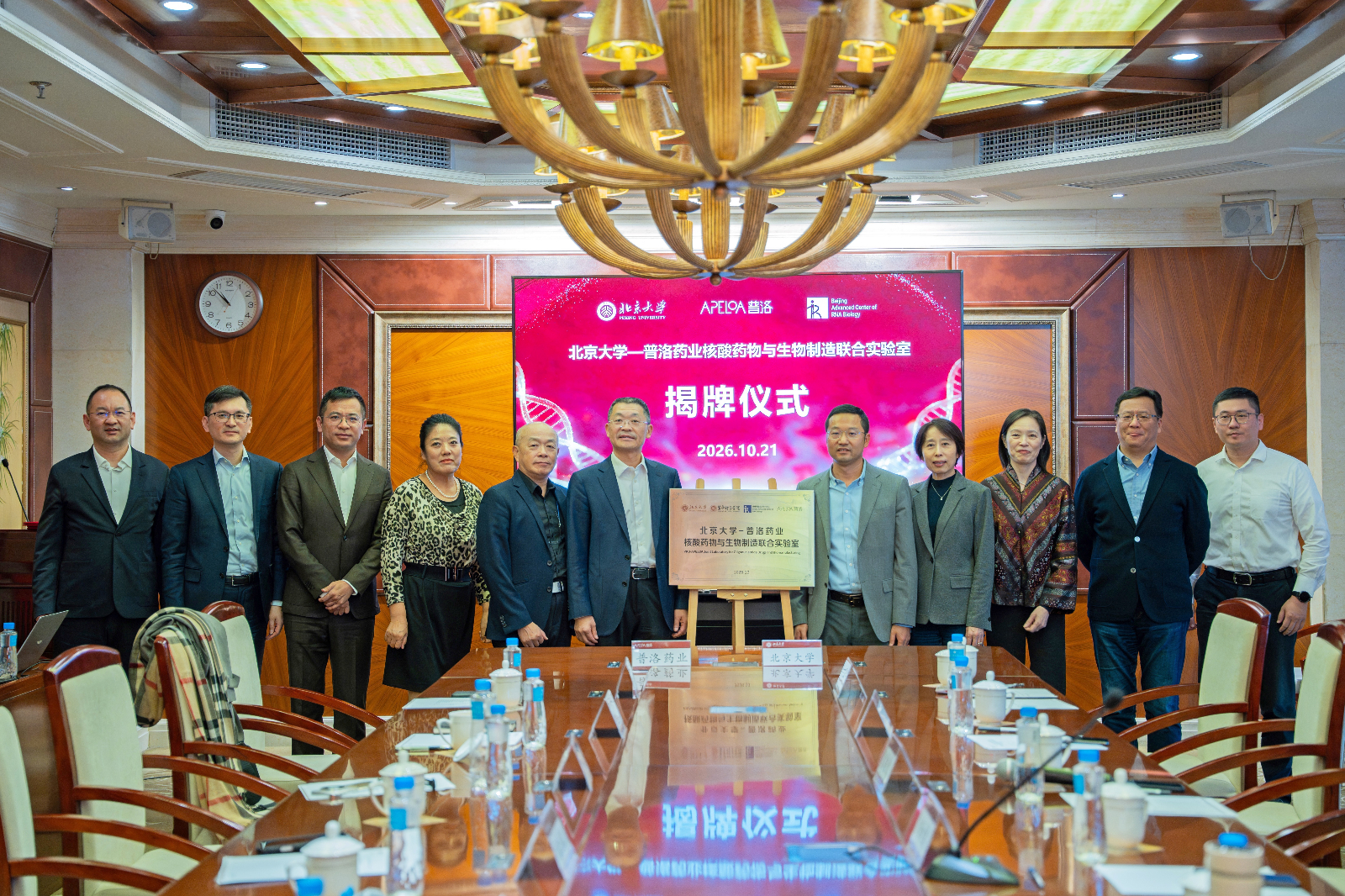
The establishment of the joint laboratory marks another important step in Apeloa's sustained commitment to frontier innovation. Going forward, the two partners will combine Peking University's strengths in life sciences and chemistry with Apeloa's capabilities in process scale-up, CMC, large-scale manufacturing, and quality management systems—advancing key technologies, accelerating the translation of research outcomes into commercial products, and training the next generation of talent. Together, they aim to help China's biopharmaceutical industry move up the global value chain.
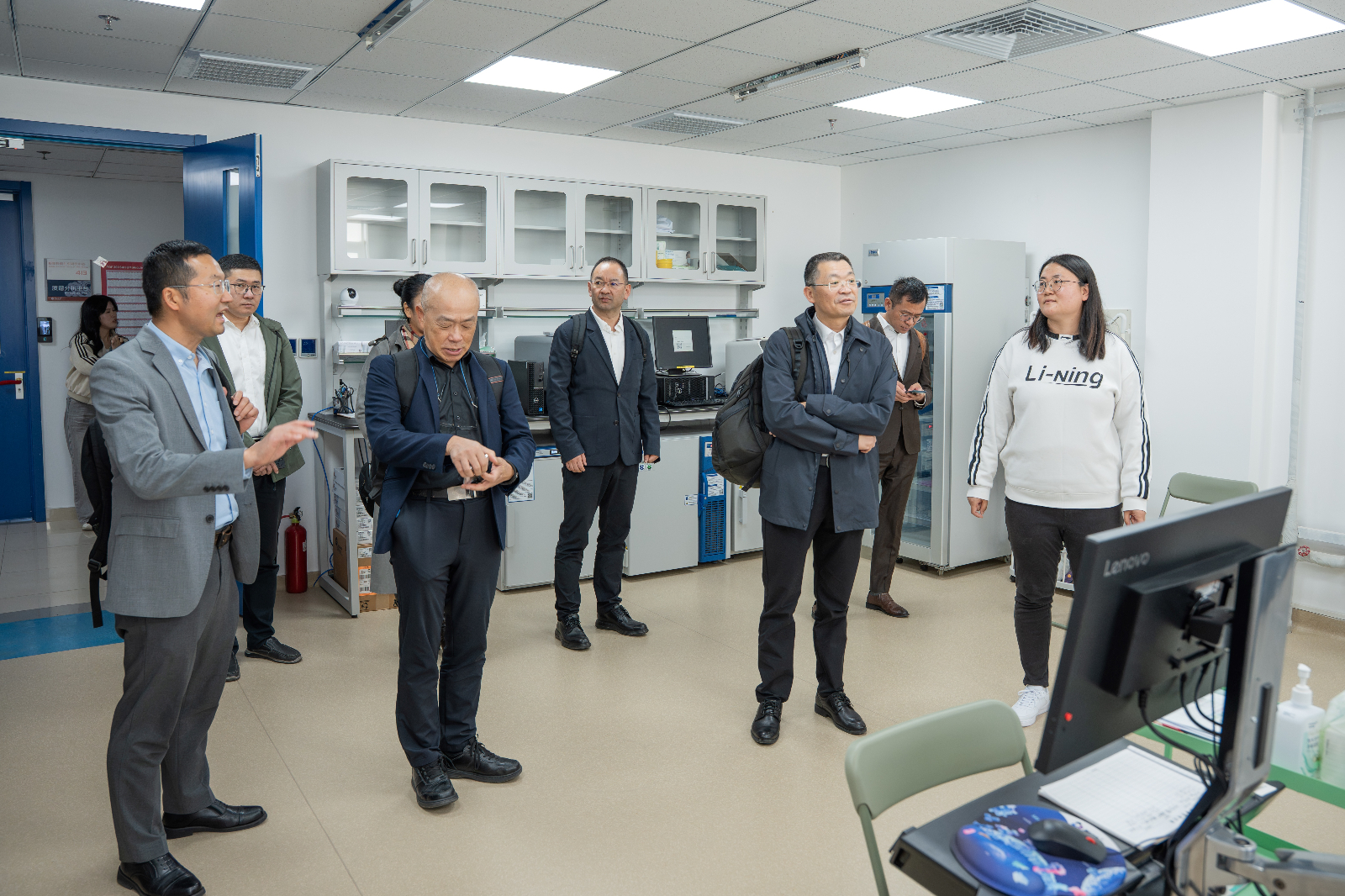
Following the ceremony, attendees held discussions on the laboratory's development and future collaboration, and toured the joint laboratory facilities and the Beijing Research Center for Ribonucleic Acid.